Plumbing Designed for Demanding Environments
Industrial Plumbing in Wichita Falls for warehouses, manufacturing facilities, and agricultural operations with specialized water and waste systems
Industrial facilities operate under conditions that residential and commercial plumbing cannot withstand—high-temperature water, chemical exposure, sustained high-volume flow, and equipment that runs continuously for weeks. TP Plumbing delivers industrial plumbing solutions for properties in Wichita Falls, completing installations, repairs, system upgrades, and preventative maintenance that keep operations running safely and efficiently. Manufacturing plants processing materials that generate waste require specialized drainage systems, warehouses storing temperature-sensitive inventory need reliable sprinkler feeds, and agricultural operations depend on consistent water delivery for livestock and irrigation systems.
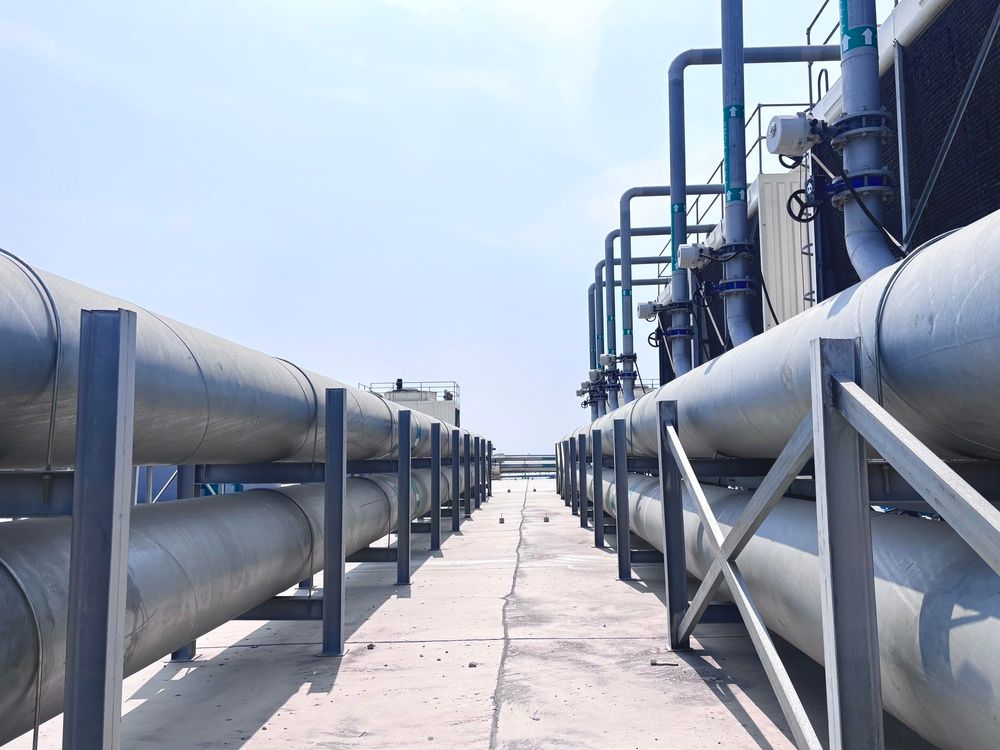
Industrial plumbing involves installing large-diameter pipes that handle extreme flow rates, corrosion-resistant materials that tolerate harsh chemicals, and pressure-rated components designed for systems operating well above standard residential levels. Work also includes configuring emergency shutoffs accessible during equipment malfunctions and integrating plumbing with process equipment that depends on precise water delivery.
Request a facility consultation to assess your plumbing system's capacity and alignment with operational requirements.
What Industrial Installations Actually Accomplish
Durable industrial plumbing uses schedule 80 PVC for chemical resistance, stainless steel for high-temperature applications, and backflow assemblies that prevent contamination of municipal water supplies. Systems are designed with redundancy to allow maintenance without halting production, and all installations comply with OSHA and local industrial codes. TP Plumbing coordinates work during scheduled shutdowns to avoid disrupting active operations.
After installations or upgrades, you observe consistent pressure at all process stations, no leaks around high-vibration equipment, and drainage systems that handle peak discharge without backups. Equipment downtime caused by plumbing failures drops significantly, and maintenance teams spend less time on emergency repairs and more time on scheduled tasks.
Industrial plumbing maintenance includes quarterly inspections of pressure relief valves, backflow preventer testing, steam line trap checks, and documentation required for regulatory compliance. Facilities with wastewater treatment systems also require periodic monitoring of pH levels and flow rates to maintain discharge permits.
Answers to Frequent Service Questions
Facility managers generally ask about system durability, regulatory compliance, and scheduling before committing to plumbing projects.
What plumbing materials withstand chemical exposure in industrial settings?
Stainless steel, polypropylene, and CPVC resist corrosion from acids, solvents, and alkalis better than standard PVC or copper, and material selection depends on specific chemicals, concentrations, and operating temperatures.
How often should industrial plumbing systems be inspected?
Facilities with continuous operations benefit from quarterly inspections to catch valve wear, gasket deterioration, and pipe stress before failures occur, while lighter-use warehouses may only require annual evaluations.
Why do some facilities need backflow prevention devices?
Any property that uses water for non-potable purposes—cooling systems, chemical mixing, irrigation—must install backflow preventers to protect the municipal water supply from contamination, and annual testing is legally required in Wichita Falls.
What factors increase the cost of industrial plumbing projects?
Material specifications, pipe diameter, pressure ratings, accessibility of installation sites, and code compliance requirements all affect project cost, with facilities requiring stainless steel or specialized fittings seeing higher material expenses.
When is the best time to schedule plumbing upgrades?
Coordinating upgrades during planned equipment shutdowns, seasonal slowdowns, or facility expansions minimizes disruption and allows integration with other mechanical, electrical, and process system improvements.
TP Plumbing has the expertise to handle plumbing demands unique to industrial environments. Schedule service to improve system reliability and reduce unplanned downtime at your facility.