Wastewater Systems That Function Without Backups
Sewer Line Repair and Replacement in Wichita Falls for drainage failures and sanitation concerns
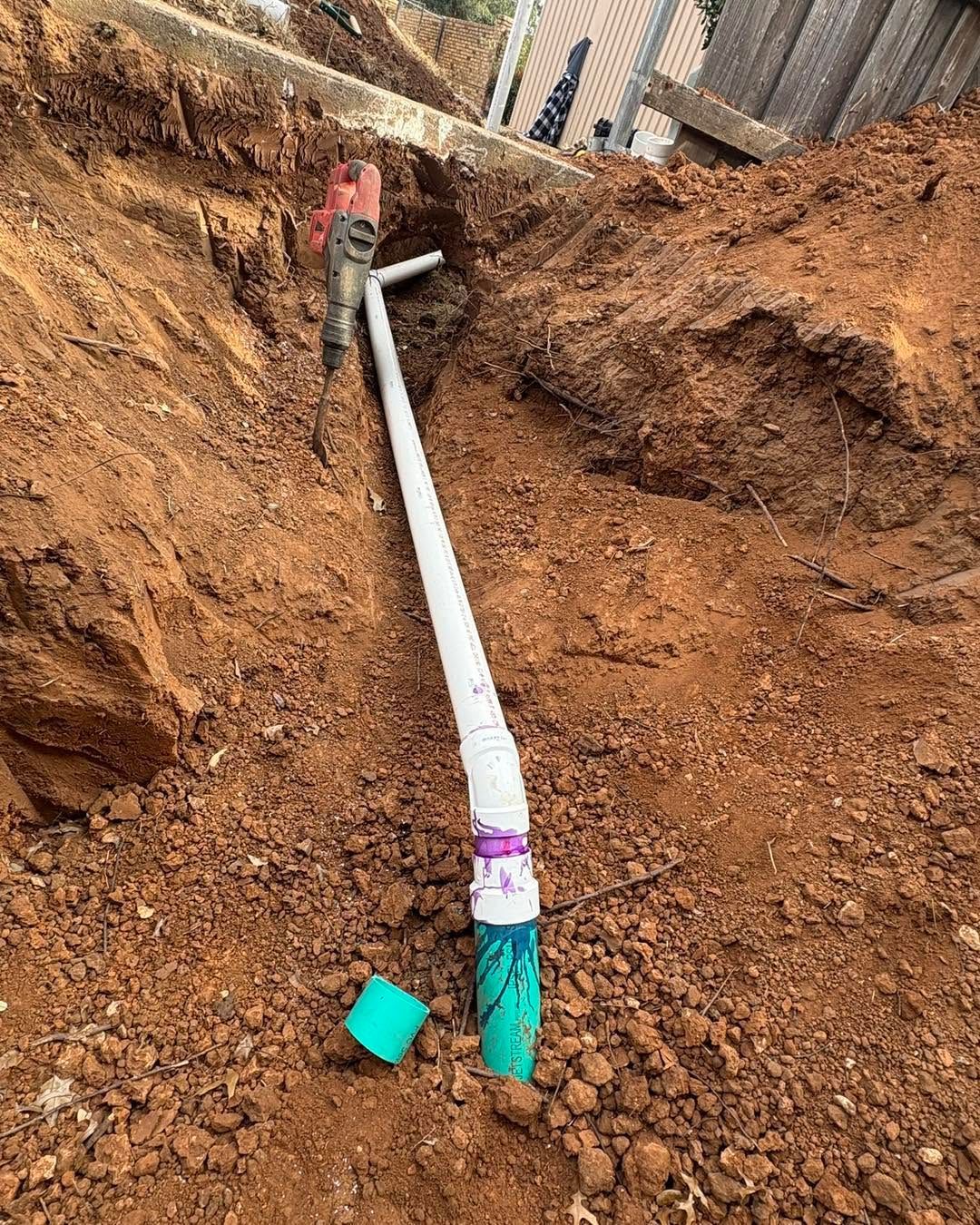
When drains empty slower than normal, toilets gurgle during use, or sewage odors emerge from floor drains, the sewer line connecting a property to the municipal system has likely developed cracks, root intrusion, or complete collapse that blocks wastewater flow. TP Plumbing addresses sewer line failures through camera inspection that reveals the condition of buried pipes, followed by targeted repair of damaged sections or full line replacement when corrosion has compromised multiple segments. Wichita Falls properties with mature trees or clay soil experience root penetration through pipe joints and ground shifting that separates sections over time.
Sewer line evaluation uses video equipment inserted through cleanout access points to document pipe interior conditions, identifying bellied sections where water pools, offset joints where ground movement has misaligned connections, and root masses that penetrate cracks and multiply inside the line. Repair methods range from sectional replacement of collapsed pipe segments to trenchless lining that installs a new pipe interior without excavating the entire line length, preserving landscaping and hardscaping above the buried system.
Request a detailed sewer inspection to determine whether repair or replacement will restore reliable drainage function.
What Proper Sewer Line Work Requires
Sewer line work begins with camera inspection to map the exact location and severity of damage, allowing technicians to determine whether localized repair will suffice or whether deterioration extends across enough of the line to justify full replacement. Older cast iron and clay sewer lines develop cracks as pipe walls corrode and separate at joints, while PVC lines installed without proper bedding material can settle unevenly and form low spots where waste accumulates instead of flowing toward the main connection.
Once sewer line repair or replacement is complete, wastewater flows freely from all fixtures, toilets flush without hesitation, and drains no longer emit sewer gas odors that indicate venting problems or standing water trapped in damaged pipe sections. Testing involves running water through multiple fixtures simultaneously to verify that drainage capacity meets household demand and that no backups occur at peak usage times.
Replacement projects typically involve removing the damaged line and installing new schedule 40 PVC pipe graded at one-quarter inch drop per linear foot to maintain consistent gravity flow toward the municipal connection. Bedding material beneath the new pipe prevents settling, while compacted backfill above the line protects against surface load damage. Properties with multiple plumbing fixtures or commercial buildings require larger diameter sewer lines to handle increased wastewater volume without slowing drainage.
Answers to Frequent Service Questions
Sewer line problems vary depending on property age, soil conditions, and landscaping features that affect underground plumbing systems.
What causes sewer lines to fail and require repair or replacement?
Root intrusion through joints, corrosion of cast iron or clay pipe materials, ground settling that creates bellied sections where waste accumulates, and age-related deterioration all contribute to sewer line failure that disrupts drainage and sanitation.
How is the decision made between repairing a damaged section and replacing the entire sewer line?
If camera inspection reveals localized damage with surrounding pipe in good condition, sectional repair addresses the problem, but if corrosion or root intrusion affects multiple areas or pipe material has reached its service life expectancy, full replacement prevents recurring failures.
When should sewer line inspection be scheduled even if no drainage problems are apparent?
Properties with trees planted near sewer line paths, homes older than thirty years with original clay or cast iron sewer pipes, or buildings that have experienced previous backups should have camera inspections every three to five years to catch developing issues before complete blockages occur.
Why do some sewer line repairs involve trenchless methods instead of excavation?
Trenchless lining installs a resin-coated sleeve inside the existing damaged pipe and cures it in place to form a new interior surface, eliminating the need to excavate driveways, landscaping, or other surface features while still restoring full flow capacity.
What preparation is required before sewer line repair or replacement work begins?
Locate and clear access to cleanout points, mark the locations of sprinkler lines or underground utilities near the sewer path, and arrange temporary wastewater alternatives if work will require shutting off drainage for extended periods during excavation and pipe installation.
TP Plumbing evaluates sewer line conditions and completes repair or replacement projects that restore dependable wastewater flow for properties in Wichita Falls. Schedule a camera inspection to assess your sewer line and receive recommendations based on current pipe condition and long-term performance needs.