Plumbing Systems Maintained Before Failures Occur
Preventative Plumbing Maintenance in Wichita Falls for properties avoiding unexpected breakdowns and costly emergency repairs
Small plumbing issues left unaddressed deteriorate into system failures that require emergency intervention and extensive repairs. Mineral deposits accumulate inside water heaters and reduce heating efficiency until elements burn out, drain lines develop partial clogs that slow over months before backing up completely, and supply line corrosion weakens pipe walls until pressure surges cause ruptures. Preventative plumbing maintenance identifies these developing problems during routine inspections and addresses them before breakdowns disrupt property operations or create water damage.
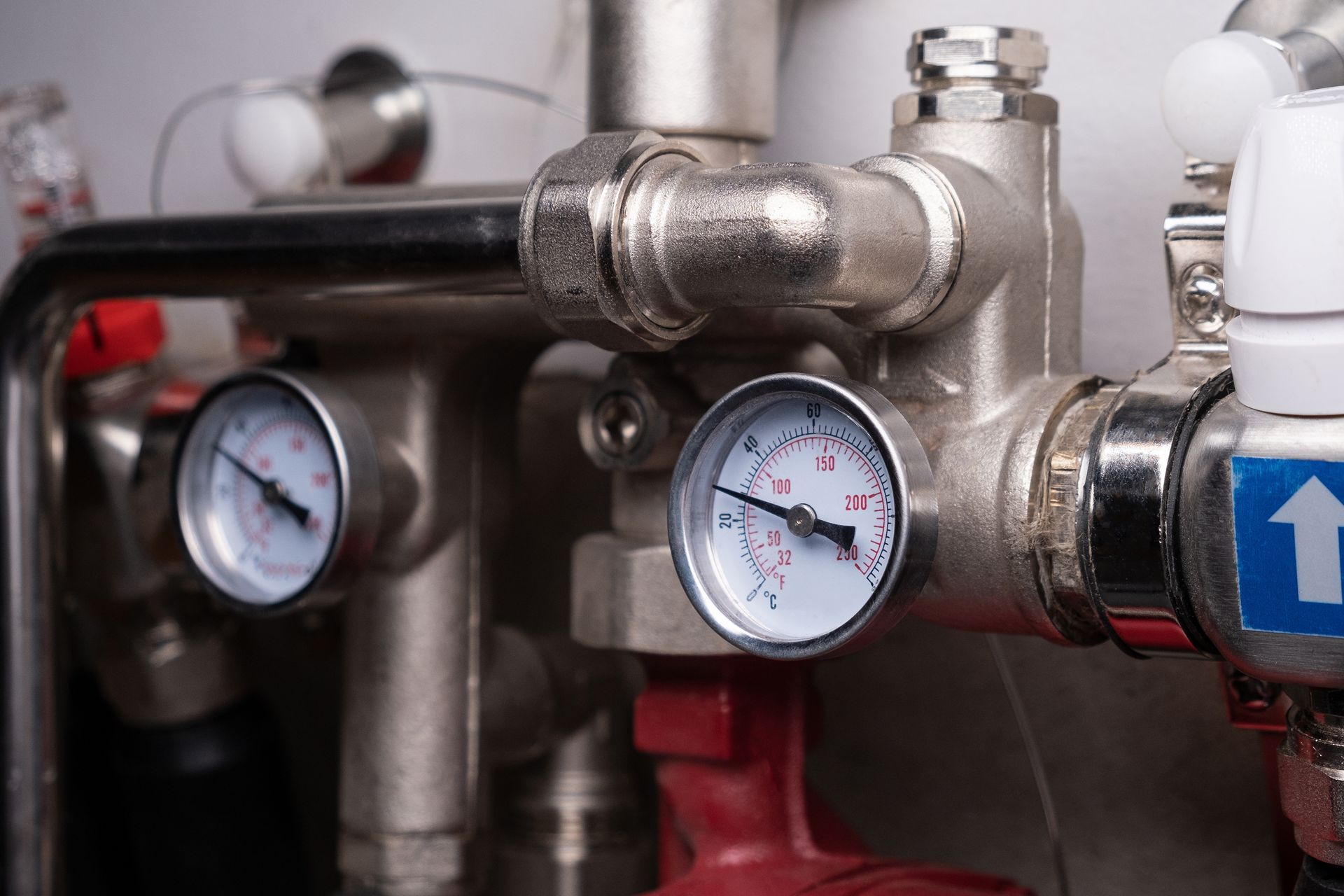
Maintenance inspections evaluate visible plumbing components for wear patterns, corrosion, leaks, and performance issues that indicate underlying problems requiring attention. Water heater inspections check anode rod condition to prevent tank corrosion, verify temperature and pressure relief valve operation, and flush sediment that settles in tank bottoms and reduces heating capacity. Drain system evaluations test flow rates, inspect trap seals, and camera-inspect main drain lines to detect root intrusion or scale buildup forming inside pipes.
Schedule a comprehensive plumbing inspection to identify maintenance needs and prevent future system failures.
What Proper Preventative Maintenance Includes
Preventative maintenance programs address plumbing systems through scheduled inspections and targeted interventions that extend component service life. TP Plumbing evaluates fixtures for worn washers and seals that cause dripping, tests water pressure to detect regulator failures or supply line restrictions, and inspects exposed piping for corrosion patterns that indicate replacement should be scheduled before leaks develop. Commercial properties and industrial facilities benefit from customized maintenance schedules that account for higher usage rates and specialized equipment requiring specific service intervals.
After routine maintenance is performed, plumbing systems operate more efficiently with reduced water waste from leaking fixtures, improved hot water recovery as sediment is removed from heating tanks, and lower risk of emergency failures during periods when service response may be delayed. Documented maintenance records establish service histories that support warranty claims, assist with insurance underwriting, and provide baseline data for evaluating system performance over time.
Maintenance intervals vary based on water quality, system age, and usage intensity. Properties with hard water require more frequent water heater flushing to manage mineral accumulation, while homes with older galvanized plumbing benefit from periodic pipe inspections to monitor corrosion progression and plan replacement before widespread failures occur. Seasonal maintenance addresses freeze protection for exterior faucets and irrigation systems before winter temperatures arrive, reducing the incidence of burst pipes during cold weather events.
Answers to Frequent Service Questions
Wichita Falls property owners ask practical questions about maintenance frequency, inspection scope, and the relationship between routine service and long-term plumbing reliability.
What specific components are evaluated during preventative plumbing maintenance inspections?
Inspections cover water heaters for sediment and anode rod condition, visible supply lines for corrosion or leaks, drain systems for flow restrictions, fixture shutoff valves for operation and sealing, sump pumps for float switch and discharge function, and water pressure regulators for output consistency.
How often should residential properties schedule preventative plumbing maintenance?
Annual inspections suit most homes with modern plumbing systems and municipal water supplies, but properties with well water, homes older than twenty years, or buildings with previous plumbing issues benefit from semi-annual maintenance to catch developing problems earlier.
When does maintenance identify issues that require immediate repair versus problems that can be monitored?
Maintenance inspections categorize findings by urgency: active leaks, failed pressure relief valves, or severely corroded pipes require immediate repair to prevent damage, while early-stage corrosion, minor fixture wear, or gradual pressure loss can be monitored and scheduled for repair during planned maintenance windows.
Why does preventative maintenance reduce overall plumbing costs compared to reactive repair approaches?
Scheduled maintenance detects component wear before complete failure occurs, allowing planned repairs during normal business hours at standard rates rather than emergency service premiums, and prevents secondary damage like water intrusion or mold growth that multiplies repair costs beyond the initial plumbing failure.
What maintenance tasks can property owners perform between professional inspections?
Homeowners can test toilet flapper seals by adding food coloring to tanks and checking for color in bowls without flushing, listen for running water when all fixtures are off to detect hidden leaks, and visually inspect exposed pipes and fixtures for moisture or corrosion that warrants professional evaluation.
TP Plumbing creates preventative maintenance plans for homeowners, commercial properties, and industrial facilities throughout Wichita Falls. Arrange routine plumbing inspections to extend system life, improve efficiency, and reduce the likelihood of unexpected breakdowns requiring emergency response.